
Why Walkable Neighbourhoods Are More Valuable Than Ever
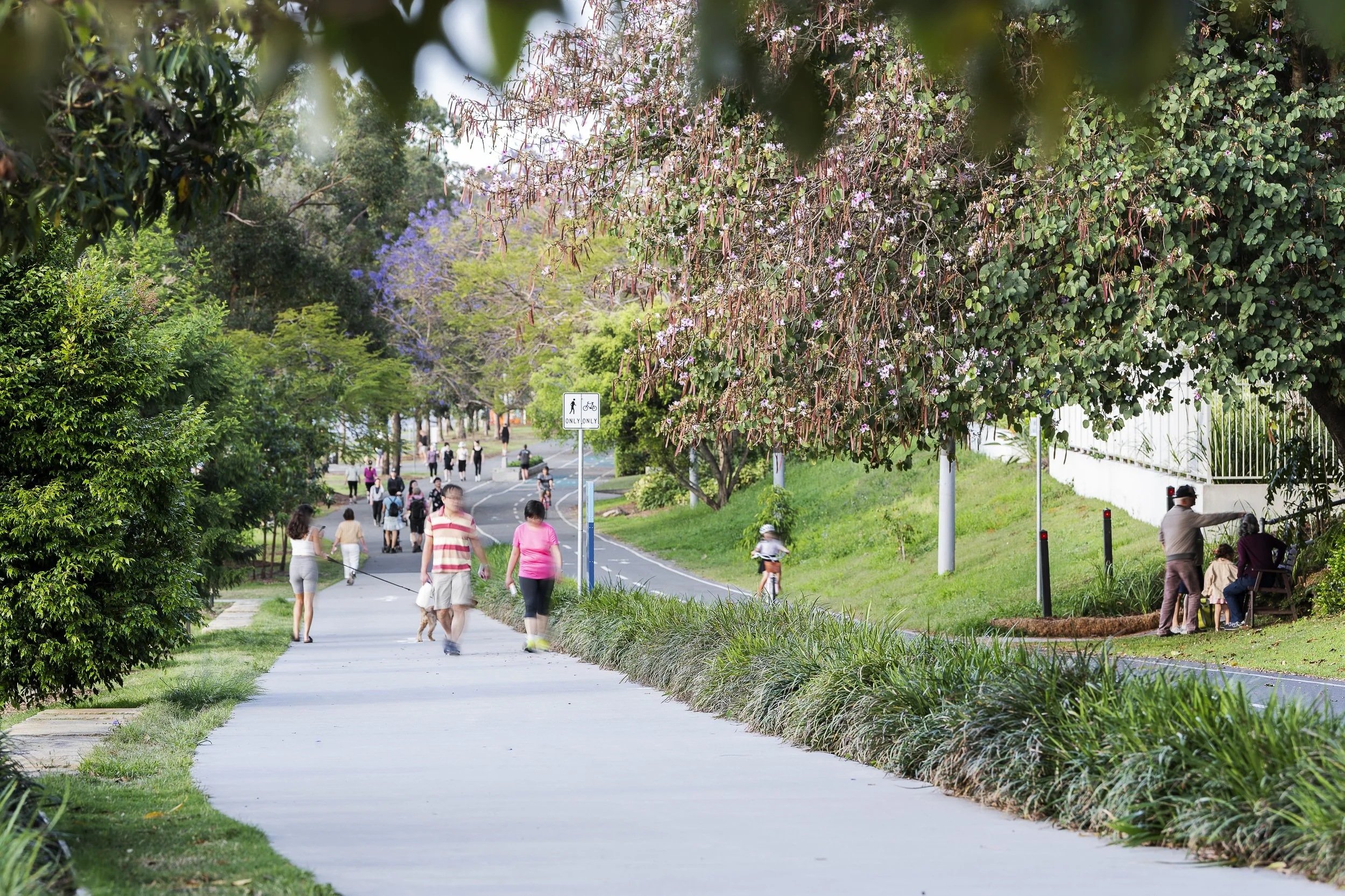
For decades, property was measured by familiar benchmarks: waterfront views, quality finishes and exclusive amenities. Today, investors and owner-occupiers alike are placing value on another attribute that can shape long-term demand: walkability.
The ability to step outside your front door and walk to cafés, restaurants, parks, schools, transport and everyday services has become an increasingly important factor for buyers. As cities evolve and lifestyle priorities shift, walkability is emerging as a key indicator of location quality and long-term demand.
The Rise of the 15-Minute Lifestyle
Across the world, successful urban neighbourhoods are being shaped around a simple idea: access.
The concept of the "15-minute city" centres is that they have daily essentials within a short walk or cycle from home. From supermarkets and cafés to healthcare, education and public transport, buyers are increasingly prioritising neighbourhoods that make everyday life easier.
As a result, walkability has shifted from lifestyle preference to an important consideration when assessing property value.
Why Walkability Matters
Walkability is now measured in many cities through formal walkability scores, which assess how easily residents can access everyday amenities without relying on a car.
What makes walkability valuable is that it cannot be easily replicated. While buildings can be developed, the combination of transport connections, local businesses, community infrastructure and established amenity often takes decades to create.
For buyers, that's increasingly becoming part of the investment equation.
Why Walkability Drives Value
Neighbourhoods with strong walkability credentials tend to attract consistent demand because they offer practical benefits that remain relevant over time.
These include:
Access to public transport
Proximity to schools and healthcare
Strong dining, retail and cultural offerings
Reduced reliance on private vehicles
Better health and wellbeing outcomes
Greater community connection
As cities become denser and genuinely connected neighbourhoods become harder to replicate, walkability is emerging as an important driver of both buyer demand and long-term property value.
West End's Advantage
West End has long been one of Brisbane's most walkable inner-city neighbourhoods.
Its network of cafés, restaurants, markets, riverfront parklands, cultural venues and transport connections creates a genuine village atmosphere within minutes of the CBD. Residents can access many of their daily needs on foot while enjoying one of Brisbane's most established and tightly held communities.
For Bankside West End residents, this level of accessibility is more than a lifestyle benefit, it's a long-term asset. Walkability supports liveability, underpins buyer demand and contributes to the appeal of the neighbourhood.
Investing in Walkable Locations
Property buyers have always understood the importance of location. Today, they are looking beyond individual buildings and considering the experience of the neighbourhood itself.
In that context, walkability has become one of the clearest indicators of long-term value.
As Brisbane continues to grow into a world-class city, neighbourhoods that offer genuine walkability are likely to remain highly sought after.
Bankside West End sits at the heart of one of these communities, offering residents the opportunity to invest in a location where walkability, lifestyle and long-term value intersect.
With a high level of walkability, many daily errands can be completed without relying on a car. Residents enjoy easy access to cafés, supermarkets, parks, restaurants and essential services, while quality schools, riverfront green spaces and cultural attractions are all within walking distance. Public transport options, including CityCat ferry services and bus connections, are also just moments from the doorstep, providing convenient access to the CBD and wider Brisbane.
These are the qualities that increasingly underpin demand for inner-city property: established amenity, strong connectivity and the ability to enjoy everyday life closer to home. At Bankside West End, they're already part of the neighbourhood fabric.
